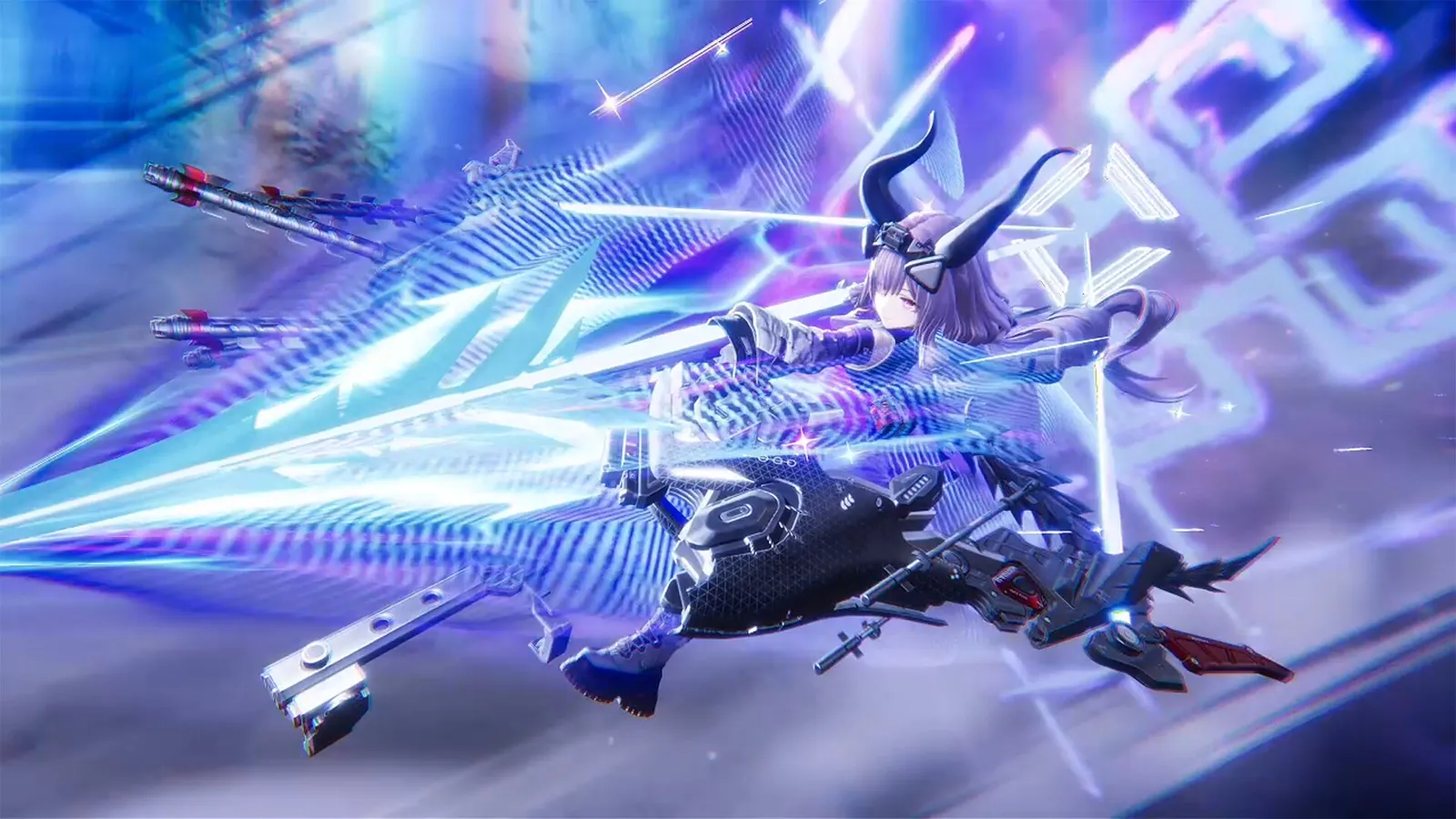
Arknights: Endfield can feel like three games stacked on top of each other: an exploration RPG, a real-time squad combat game, and a factory builder. This guide sorts out what each of those pieces actually does, which currencies matter, and what changed with the September 2026 update, so you are not guessing in your first sessions.
- Arknights: Endfield launched globally on January 22, 2026 on PC (through the official GRYPHLINE launcher and Epic Games Store), PlayStation 5, iOS and Android. It is free to play, with chance-based recruitment for operators and weapons.
- A Steam version exists only as an announced, tested build: GRYPHLINE confirmed it on August 13, 2026 and ran a limited closed test from August 26 to September 10, 2026, but as of September 28, 2026 there is no live Steam release date.
- The game has three core loops you will juggle from the start: exploration (sending your squad into Talos-II's regions), real-time combat (moving your squad freely and chaining operator skills), and base building (running Endfield Industries' production facilities).
- Operators and weapons come from chance-based headhunting banners, paid for with the premium currency Oroberyl or in-game recruitment currency; nothing in the official material suggests paid currency is required to progress the story.
- The most recent content, the Dreamscape of Wind and Snow update, arrived in two parts on and after September 2, 2026, adding the Wuling region's Snowy Forest and the Suiming time-loop zone.
What Arknights: Endfield actually is
Arknights: Endfield is developed by Hypergryph, through its internal Mountain Contour team, and published globally under Hypergryph's GRYPHLINE brand. According to the official site and its Steam listing, you play as the "Endministrator" of Endfield Industries on the planet Talos-II, managing exploration, combat and industrial production at the same time.
It launched worldwide on January 22, 2026 for PC, PlayStation 5, iOS and Android. On PC, the game originally shipped through the GRYPHLINE launcher and the Epic Games Store, not Steam. GRYPHLINE announced a Steam version on August 13, 2026 and ran a "Pioneer Test" for it in late August and early September, but the Steam store page for Arknights: Endfield had not listed a live launch date as of this guide's publication. If you are starting today, you are almost certainly playing through GRYPHLINE's own launcher, Epic Games Store, a mobile store, or on PlayStation 5, rather than Steam.
The business model is free-to-play with chance-based in-game purchases, sometimes called gacha: you spend currency on "headhunting" banners for a random chance at specific operators or weapons, rather than buying them directly.
The three loops you'll be doing constantly
Exploration. You send your squad through Talos-II's regions to gather resources, uncover story content, and clear out threats blocking your path, according to the official game description.
Combat. Battles are real-time: you move your squad freely around the field and chain operators' skills together rather than issuing single commands, per the same official description. This is closer to an action RPG than the tap-to-deploy combat of the original Arknights.
Base building. You manage Endfield Industries' facilities directly, laying out production lines that keep generating resources while you are off exploring or fighting. This factory-management layer is one of the features that separates Endfield from most other operator-collection games under the Arknights name.
None of these loops is optional busywork — resources from exploration feed your base, your base's output funds recruitment and upgrades, and stronger operators from recruitment make exploration and combat easier. Treat your first sessions as learning all three at once rather than rushing one of them.
Operators, recruitment and the currencies that matter
Operators are recruited through "headhunting" banners that rotate with each content update. The September 2, 2026 patch notes describe two gacha categories directly: character headhunting (for operators) and a separate weapon "Issue" banner, plus newly introduced banner formats called "RE-Factor Headhunting" and "RE-Factor Issue." Recent examples from that update include a 6-star operator, Typhoeus, whose rate-up banner ran through September 30, 2026, and a 5-star operator, Purrchena, who was made available through a free event rather than only through paid recruitment.
The premium currency is Oroberyl; GRYPHLINE has also used it as compensation after maintenance or bugs, based on the official Homecoming update notes. As a beginner, the practical takeaway is the same as in most gacha-style games: banners are time-limited and chance-based, so it is worth reading what a banner actually offers before spending currency on it, rather than pulling on every new banner as it appears.
Base systems worth learning early: Talosite Exchange and Transmute
The July 2026 "Homecoming" update introduced two systems that are still active and worth understanding from the start. The Talosite Exchange lets you gather special energy crystals called Talosites and exchange them for rewards, according to the official patch notes. The Transmute feature lets you convert higher-tier materials into lower-tier ones, at the cost of consuming Sanity, a resource used for various in-game actions.
Because Transmute spends Sanity, it is not a free way to fix an inventory shortage — treat it as a deliberate trade, not a default habit, until you understand how much Sanity you can regenerate and how else you need to spend it.
The September 2026 update also added smaller quality-of-life tools that make early planning easier: a "Progression Overview" feature that lets you check all operators and weapons and the materials needed to upgrade them, and a "Continue Placing" option that lets you place multiple base facilities without exiting construction mode each time.
Common mistakes to avoid
- Assuming Steam is the current version. As of September 28, 2026, the live game runs through the GRYPHLINE launcher, Epic Games Store, or mobile/console stores. The Steam build that was tested in late August is not the same as a full release, and its account and anti-cheat requirements may differ once it launches.
- Spending Oroberyl on every new banner. Banners rotate frequently, and recent updates have included free ways to obtain specific operators (like the Purrchena event), so check what is actually exclusive before spending premium currency.
- Ignoring the factory layer. Base facilities and production lines generate resources passively; leaving them unassigned or poorly laid out slows your resource income for exploration and recruitment alike.
- Using Transmute as a default fix. It consumes Sanity, so converting materials back and forth without a plan wastes a resource you will likely need elsewhere.
- Not tracking version-specific content windows. Events and banners tied to a given update, such as the Winter Hunt banner running through September 30, 2026, are time-limited; missing the window can mean waiting for a rerun with no confirmed date.
What changed most recently
The Dreamscape of Wind and Snow update rolled out in two parts. The first part launched with maintenance on September 2, 2026, adding the 6-star operator Typhoeus and the Wuling - Snowy Forest area, alongside the Winter Hunt headhunting banner and a weapon banner for the 6-star weapon Umbra of Frigid Eventide. The second part added Wuling - Suiming, a puzzle-focused area built around a repeating time cycle, plus a giveaway event granting the 5-star operator Purrchena along with her recommended weapon and enough Operator Tokens to raise her Potential for free, according to official coverage of the update.
Before that, the Homecoming update (mid-July 2026) had expanded the story into a new chapter, added the Wuling - Yinglung Pass and North Wuling Exclusion Zone areas, and introduced the Talosite Exchange and Transmute systems described above, along with smaller additions like a birthday greeting feature and a name-change option limited to once every six months.