Once Human mixes open-world survival with shooter combat, and its biggest twist for newcomers is that servers run on timed scenarios that eventually reset. This guide explains what that means for your first weeks, how the Deviant companion system works, and what changed with the console launch and the two most recent patches.
- Once Human is free to play on PC, mobile and consoles, monetized through cosmetics and a premium top-up currency, according to its Steam page and official FAQ.
- Your server runs on a scenario, a themed map that eventually resets. Plan around this instead of treating your first server as permanent.
- Move gear into Eternaland before a reset. Currencies, blueprints, mods and cosmetics carry over on their own; loose inventory items do not.
- Deviants are captured, not tamed. You fight a mutated creature first, then deploy it for passive bonuses and combat help.
- Check the September 2026 patch notes. Character reshaping is now free, and animal breeding gained a new targeted feature.
What Once Human is
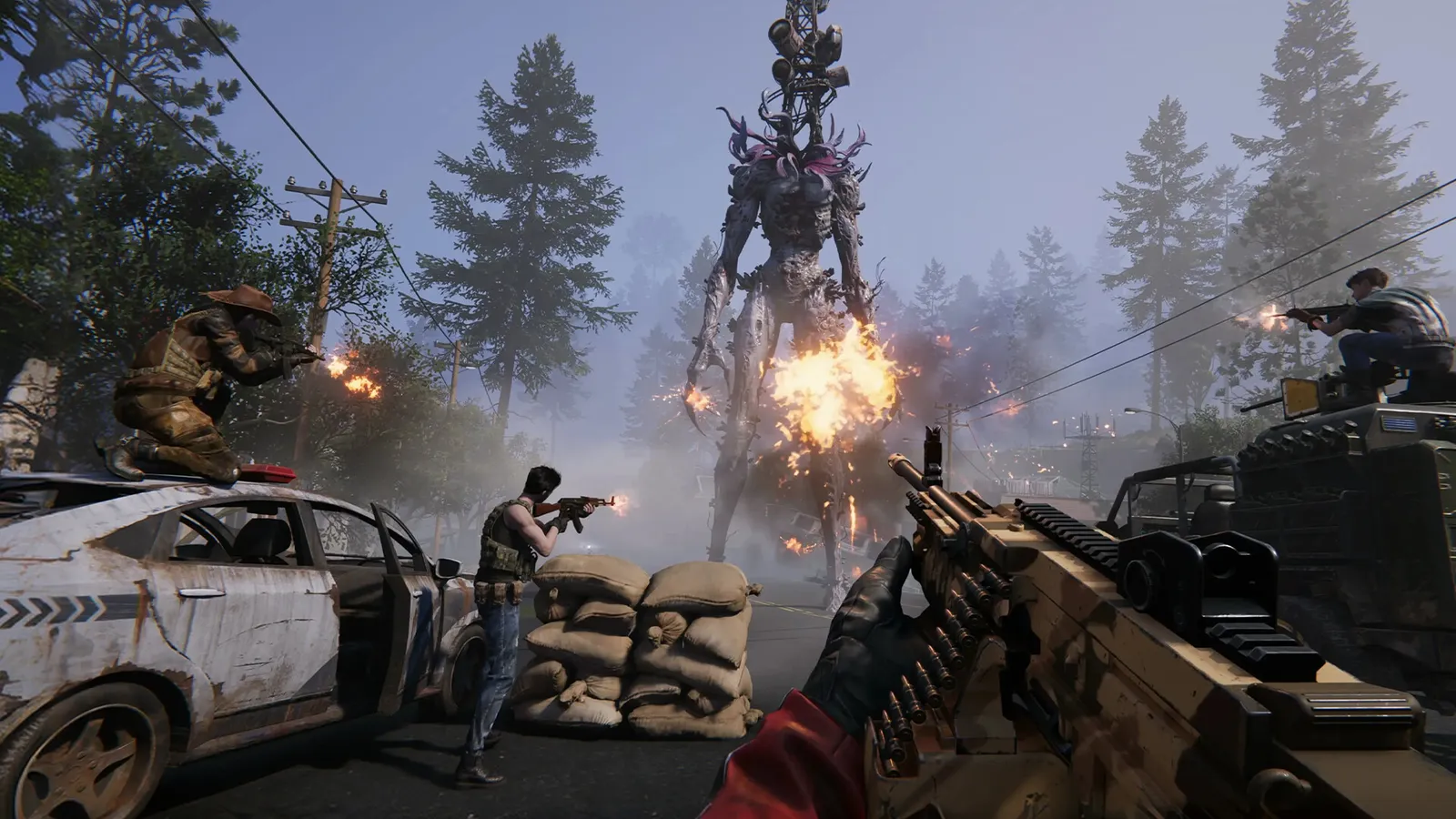
Once Human is a post-apocalyptic open-world survival game built by Starry Studio, a NetEase Games studio. Its Steam page describes a world reshaped by an event called Starfall, where players gain unusual abilities, fight mutated enemies, gather resources, and build territory while working through faction storylines.
The game is free to play. It launched on Windows PC through Steam on July 9, 2024, and Starry Studio later brought it to mobile and, on August 25, 2026, to PlayStation 5, PS5 Pro and Xbox Series X|S, according to the official console launch announcement. That announcement also confirms crossplay between all of these platforms, plus optional cross-progression: you can link a console account to an existing PC or mobile account, though the game only lets you keep characters from one of the two accounts once they're linked, not both.
Money is spent mainly on cosmetics and a premium currency bought through the in-game Top-Up Center, per the official FAQ; none of the official update notes referenced for this guide describe pay-to-win mechanics.
Getting started: what your first hours look like
New characters start with basic survival needs: hunger, thirst and sanity all affect your health and effectiveness, so early priorities are food, water and shelter rather than combat. Building your first territory gives you crafting stations and storage, and you can relocate or expand it as you learn the map.
Combat mixes firearms with the game's mutation-driven enemies, and weapon blueprints unlock as you progress through the story and world exploration. Because the game is built around online co-op, joining or forming a small group early makes resource gathering and boss fights considerably easier than going alone, though the official sources reviewed here do not specify group size limits, so check in-game tooltips for the current numbers.
Scenarios and seasons: the system beginners must understand
The most unusual thing about Once Human for newcomers used to typical survival games is that a server is tied to a scenario, a themed map with its own objectives that eventually reaches its final phase and resets into a new season. According to Game Rant's breakdown of the mechanic, most of what defines your account survives a reset even though the map itself does not.
Currencies (including Starchrom and Mitsuko's Mark), gear blueprints and their upgrade levels, weapon mods, fashion cosmetics, character customization data, house blueprints, and your main story progress all carry over automatically between scenarios. What does not carry over is tied to the map itself: character level, Memetics-based attributes, and scenario-specific crafted items reset so that new and returning players start the new scenario on similar footing.
Physical items you're still holding, like weapons, armor and consumables, move automatically into a storage area called Eternaland when a scenario ends. From there, you spend a limited, refreshing pool of points to bring items back into your active inventory in the next scenario, so it is worth deciding in advance what is worth keeping rather than assuming everything transfers freely.
If you would rather avoid resets altogether, Starry Studio also runs permanent scenario servers, which stay in an open-ended settlement phase indefinitely instead of cycling to a new map. This is a reasonable option if you specifically dislike wipes, though you will miss the new mechanics and time-limited rewards each fresh scenario introduces.
Deviants: capturing your own companions
Deviants are one of Once Human's signature systems: mutated creatures that exist as hostile enemies in the world until you defeat and capture them, at which point they become deployable companions. The official announcement for the "Deviation: Survive, Capture, Preserve" scenario describes Deviants appearing across the map with their own habitats and behaviors, and notes that they can fight alongside you once captured.
Deployed Deviants apply passive buffs and, depending on the creature, active skills or stat boosts while active. Because each Deviant fills a different role, it is worth capturing more than one type early rather than relying on the first creature you happen to defeat, so you have options depending on whether a fight calls for durability, damage or support.
Common mistakes to avoid
- Ignoring the scenario clock. If you don't know when your server's scenario ends, you risk losing loose inventory items you meant to use or sell.
- Skipping Eternaland transfers. Anything left in your regular backpack instead of the Spacetime Backpack when a scenario ends is not guaranteed to survive; move anything valuable ahead of time.
- Treating Deviants as disposable. Since they provide ongoing passive bonuses once deployed, it's worth learning what a captured Deviant does before replacing it with the next one you find.
- Overspending on cosmetics before checking free options. The September 28, 2026 update removed the cost from character reshaping entirely, so features you might expect to be paywalled are sometimes free after a patch — check current patch notes before buying.
- Assuming console and PC/mobile accounts merge automatically. Linking accounts across platforms requires an explicit step, and the official console FAQ warns that only one account's characters are kept once you link, so back up what you want to keep before doing this.
What changed in September 2026
Three official updates are worth knowing about if you're starting now:
- Console launch (August 25, 2026): Once Human became available on PS5, PS5 Pro and Xbox Series X|S with full crossplay against PC and mobile players and optional cross-progression through account linking.
- Version 3.0.5 (September 2, 2026): added search functionality to storage crates, new dye management tools for fashion items, and changes to the Meta Pass so that accumulated progress carries over between activation periods, according to the official patch announcement.
- Version 3.0.7 (September 28, 2026): made facial reshaping, body reshaping and hairstyle dyeing completely free, removing the paid items previously required; added a "Targeted Breeding" option letting players choose parent animals directly through the Youngling Hut facility; and raised the number of animals a Beastmaster character can summon at once. The same update launched the time-limited Golden Autumn Harvest and Frames of Wonder events, running from September 29 to October 14, 2026.
If you're reading older guides or wiki pages about Once Human, treat anything about paid character customization as outdated, since the 3.0.7 patch changed that system on the day this guide was written.